According to the Centers for Disease Control and Prevention, nearly 25 million American adults have cholesterol levels above 240 mg/dL, which is considered high risk.
Here are seven things you should know about cholesterol:
According to the Centers for Disease Control and Prevention, nearly 25 million American adults have cholesterol levels above 240 mg/dL, which is considered high risk.
Here are seven things you should know about cholesterol:
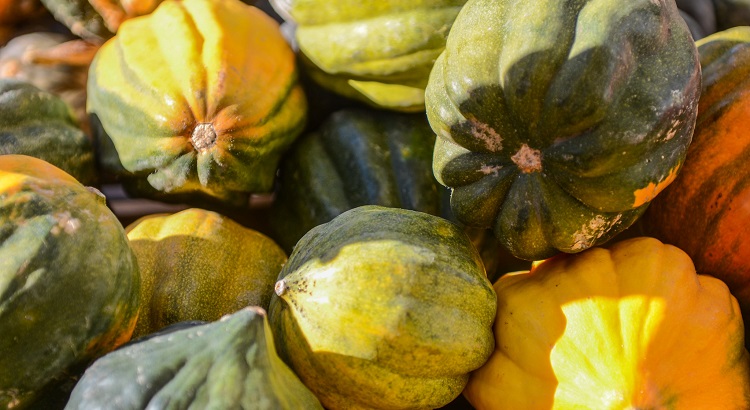
Acorn Squash is a fall favorite! And it should be, as it’s an edible aesthetic countertop adornment to mark the season. It’s a rich source of vitamin A, and the vitamin A building blocks called carotenoids, which have been shown to be beneficial not only for our eye health but also for the health of our skin, and lowering risk of heart disease and stroke.
Acorn squash is also high in fiber at 5g per ½ cup. Fiber acts like a magnet to LDL, our “bad” cholesterol, clinging to it and taking it away and out of our bodies. This helps improve our cholesterol levels, leaving us with a happier heart. All the winter squashes are a good sources of Vitamin A, carotenoids and fiber. The spice blend in this recipe is tasty on many different kinds squashes, try it on butternut squash, delecata squash, pumpkin or even sweet potatoes.
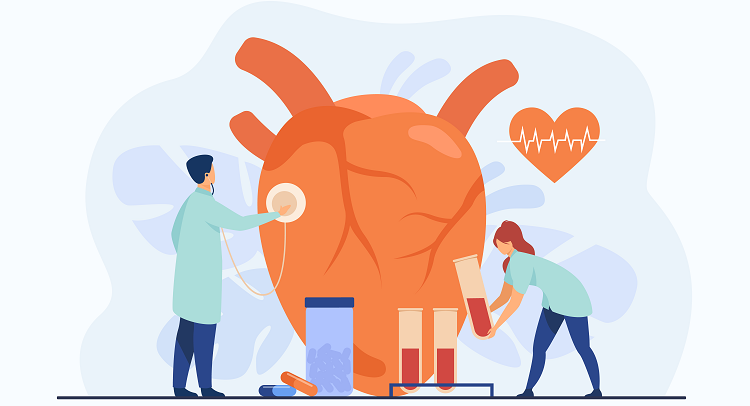
According to the Centers for Disease Control and Prevention, one-third of all deaths in the United States are from heart disease, stroke or other cardiovascular diseases. Because February is Heart Health Month, it seems fitting to discuss what constitutes heart disease, the risk factors and how we can improve our heart health this year.
A part of healthy living is knowing some of your basic health indicators. These vary by individual, so be sure to check with your physician to determine what your particular needs may be.